

Humanoids of the Ethērēum
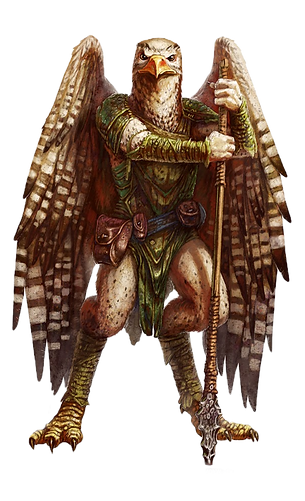
Aarakocra
Common Knowledge
-
Origin god: Ērsü
-
Age: Aarakocra reach adulthood at age 8 and can live up to 60 years
-
Aarakocra are found rarely across the Eꞇērēǝm. They are in highest concentration on Ӑvis, where their legions are benevolently led by Ērsü herself.
-
On Kǝshän: native to the Crescent Islands and Nador’at. Rare in ‘civilized’ societies, mostly living in isolated communities in the mountains and peripheral isles.

Aasimar
Rare Knowledge
-
Origin god: Adämēǝ
-
Age: Aasimar mature at the same rate as humans, but they can live up to 160 years.
-
Aasimar are star-touched and found very rarely across the Eꞇērēǝm. Dümǝzid’s first born was Adämēǝ, made from the chaotic stardust at the core of a star that was near supa-nova. This manifests at random in uniquely gifted individuals within Adämēǝ's lineage. It can manifest in a variety of ways, often affecting the abilities of the individual and how they are perceived in any given society.
-
On Kǝshän: Their births are very rare and are hailed as blessed or cursed events according to their celestial heritage. They are considered closer to Ädämēǝ by his followers, who hold them in awe.

Bugbear
Uncommon Knowledge
-
Origin god: Zéd
-
Age: bugbears reach adulthood around 14 and can live up to 80 years.
-
Bugbears are found rarely across the Eꞇērēǝm. They often take leadership of goblins, finding a strange codependency with their kin.
-
On Kǝshän: Like the rest of Zéd’s leavings, bugbears are stigmatized and bitterly play the role well. They are not particularly common in the world, and rarer still in ‘civilized’ society.

Dragonborn
Common Knowledge
-
Origin god: Grrrmmbǝllhīst
-
Age: Young dragonborn grow quickly. They walk hours after hatching, attain the size and development of a 10-year-old human child by the age of 3, and reach adulthood by 15. They live up to 80 years.
-
Dragonborn are found uncommonly throughout the Eꞇērēǝm, but are known to inhabit one world in particular, Dräcőrbis. While the dragonborn of Dräcőrbis live in a powerful society, that power does not belong to them, but to the dragons that fly in such numbers that darken the sky.
-
On Kǝshän: They were uncommon before The Rending, from which most fled on dragonback to the unknown lands on the other side of the world, beyond The Quespa Sea. They are rare in the north sea hence. Their beauty is highly regarded, and their ferociousness in battle makes them feared.

Dwarf
Common Knowledge
-
Origin god: Dőrkärin
-
Age: Dwarves mature at the same rate as humans, but are considered young until the age of 50. On average they live around 300 years
-
Dwarves are found uncommonly across the Eꞇērēǝm, often concentrated in prideful kingdoms, such as on Desterrä. Dőrkärin is cautious beyond the rest of the Origin Gods, and does not complete his lifecycle often or without great cause.
-
On Kǝshän: Four dwarven kingdoms ruled in peace on The World’s Heart before The Rending; knowledge and goods flowed freely between them as with the other mortal kingdoms therein. Most dwarves died defending their mountain keeps during The Rending, or else shut away and lost in Bernkoldir. Those few who escaped to the northern continents often passed down a culture of survivors guilt of not dying beside their kin. To others, however, they are often honored for the sacrifice of their forefathers to fight and die while others escaped to live on. It is a consolation dwarves seldom allow themselves.

Elf
Common Knowledge
-
Origin God: Sővelis
-
Age: Elves mature at the same rate as humans do, but their understanding of adulthood goes beyond physical growth to encompass worldly experience. An elf typically claims adulthood and an adult name around age 100 and can live to be around 600 years old
-
Elves are found commonly across the Eꞇērēǝm, doing any number of things.
-
On Kǝshän: Elves are common in this world. Until the Rending they shared an advanced society with other humanoid species, the center of which was Malikesh. Then, The Rending destroyed that society and the humanoids gentrified. The elves founded Tarumel, a socialist and caste society; Sun elves are the ruling class and wood elves are the working class.

Firbolg
Rare Knowledge
-
Origin god: Bőgänē
-
Age: Firbolg reach adulthood around age 30 and they can live up to 500 years.
-
Firbolg are found very rarely across the Eꞇērēǝm, perhaps less so in the Fărē’wől where they find peace among Képhrē’s things.
-
On Kǝshän: Native to Nador’at and the Crescent Isles; they generally live solitary lives deep in the wilderness of those continents or else commute irregularly from the Fărē’wől.

Gnome
Common Knowledge
-
Origin god: Ärümǝwӓn
-
Age: Gnomes mature at the same rate as humans do, but are not considered adults until around age 40. They can live around 400 years.
-
Gnomes are found uncommonly across the Eꞇērēǝm, although they are rather independent creatures and are rarely found in groups.
-
On Kǝshän: While uncommon in the world, they are a constant. Until the Rending they shared an advanced society with other humanoid species, the center of which was Malikesh. Since, they have found places where their skills and knowledge are needed in the new centers of power.

Goblin
Common Knowledge
-
Origin god: Zéd
-
Age: goblins reach adulthood at age 8 and can live up to 60 years.
-
Goblins can be found commonly across the Eꞇērēǝm. They often flock to stronger followers of Zéd such as bugbears or hobgoblins, finding a strange codependency with their kin.
-
On Kǝshän: Like the rest of Zéd’s leavings, goblins are stigmatized and bitterly play the role well. They are not particularly common in the world, and rarer still in ‘civilized’ society.
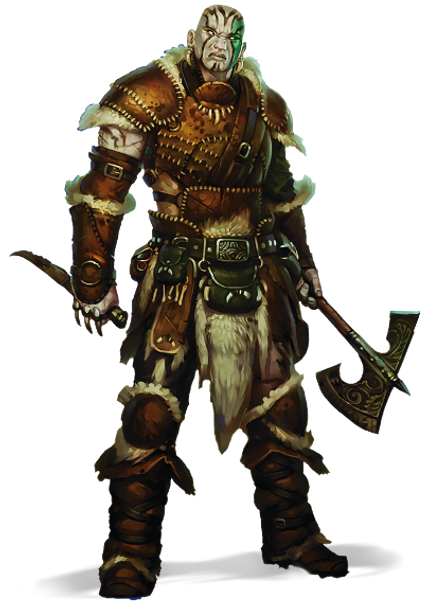
Goliath
RaRE Knowledge
-
Origin god: Dümǝzid / Adämēǝ
-
Age: goliaths reach adulthood in their late teens and live less than a century.
-
Goliath are found very rarely across the Eꞇērēǝm, usually in small, isolated communities in the heights of mountains. They are the descendants of giants and the first men, who met on the ancient battlefields of the Origin War, where both gods and giants were felled.
-
On Kǝshän: There are few who walk on this world.

Halfling
Common Knowledge
-
Origin god: Seräfēn
-
Age: A halfling reaches adulthood at age 20 and can live to around 150.
-
Halflings are found uncommonly across the Eꞇērēǝm, and rarely alone.
-
On Kǝshän: Halflings are common in this world, and thank goodness for that. Until The Rending they shared an advanced society with other humanoid species, the center of which was Malikesh. Since, they have found places where their crafts and company are wanted in the new centers of power.

Human
Common Knowledge
-
Origin god: Adämēǝ
-
Age: humans reach adulthood in their late teens and live less than a century.
-
Humans are found commonly across the Eꞇērēǝm.
-
On Kǝshän: Humans are common in this world. Until The Rending they shared an advanced society with other humanoid species, the center of which was Malikesh. Then, The Rending destroyed that society and the humanoids gentrified. Humans founded the Susselian Empire, and later the Kingdom of Mantidor.

hOBGOBLIN
uNCommon Knowledge
-
Origin god: Zéd
-
Age: hobgoblins reach adulthood in their late teens and live less than a century.
-
Hobgoblins can be found across the Eꞇērēǝm. They often take leadership of weaker followers of Zéd, however are more independent than their kin and hold greater ambitions.
-
On Kǝshän: Like the rest of Zéd’s leavings, hobgoblins are stigmatized in this world, and play the role well. Before The Rending most of their number were bedouin bandits in the Desert of the Damned or pirates along the coast of The World’s Heart. The Rending saw less in the world, but those who did strayed little from that path; few found homes in ‘civilized’ society before or hence.

kENKU
UNCommon Knowledge
-
Origin God: Ērsü
-
Age: kenku reach maturity around age 8 and can live up to 40 years.
-
Kenku are a rare phenomenon among aarakocra, an already rare find across the Eꞇērēǝm. Legend tells of a deal Ērsü made with Mőrdét long ago. Ērsü and her legions were losing a war against Grrrmmbǝllhīst and his dragons. Mőrdét promised to bring Grrrmmbǝllhīst to heel, but only at cost to Ērsü and her beloved aarakocra. “For every eight-score you shed, I shall take a soul,” sayeth Mőrdét. And so Ērsü‘s lineage was cursed, and hence forth one in every 160 aarakocra would be a kenku and Mőrdét’s to claim upon the reaping hour, and that hour would come sooner than it would for others.
-
On Kǝshän: Kenku are born 1/160 aarakocra, like clockwork. They are often exiled from the flock in this world upon maturity. Those that survive exile often find work in ‘civilized’ society.

kOBOLD
UNCommon Knowledge
-
Origin god: Grrrmmbǝllhīst
-
Age: kobolds reach adulthood at age 6 and can live up to 120 years, although it is rare.
-
Kobolds are found uncommonly across the Eꞇērēǝm, unusually in heavily concentrated subterranean communities and often in the service of a dragon or dragonborn.
-
On Kǝshän: Kobolds are rare and stigmatized in ‘civilized’ society and live in clusters hidden away from other humanoids.
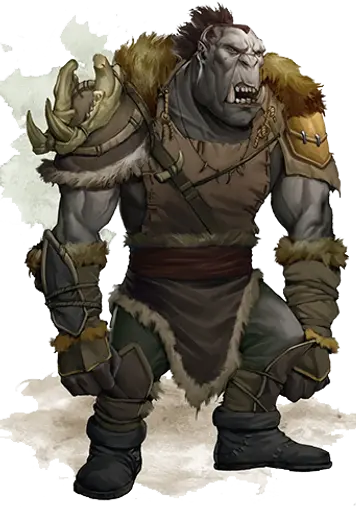
oRC
Common Knowledge
-
Origin god: Gärgőraʂ
-
Age: orcs reach adulthood around age 14 and rarely live longer than 75 years.
-
Orcs are found commonly across the Eꞇērēǝm.
-
On Kǝshän: Orcs are common in this world. Until the Rending they shared an advanced society with other humanoid species, the center of which was Malikesh. Then, The Rending destroyed that society and the humanoids gentrified. Orcs settled across the Crescent Islands before Tarumel was formed and the elves forced them all onto Falchion Island. They now live in tribal fiefs there, independent to Tarumel only in sentiment as they live under the thumb of the elves.

tABAXI
uNCommon Knowledge
-
Origin god: Sälǝmac
-
Age: Tabaxi reach adulthood around their late teens and live less than a century.
-
Tabaxi are found rarely across the Eꞇērēǝm. Their inquisitive nature draws them in all directions, rarely found in concentration or at rest.
-
On Kǝshän: Tabaxi are native to the Belhondäri Confederation beyond the Desert of the Damned. While many were established in the north by the time of The Rending, most were lost in the first days of the undead rising, before the undead turned north. Hence they are rare today, and curious creatures to the uneducated.

tIEFLING
Common Knowledge
-
Origin god: Crēelӓ
-
Age: Tieflings mature at the same rate as their origin species, but can live around 120 years.
-
Tieflings are found rarely across the Eꞇērēǝm. They only occur where Crēelӓ has completed her lifecycle in the same world as another Origin God, and even then irregularly. This was Mőrdét’s own folly; Crēelӓ was their first mimicry of Dümǝzid’s children, and Mőrdét did not yet know the things full nature.
-
On Kǝshän: Tieflings are rare in this world. They were largely accepted by ‘civilized’ society until The Rending, after which they became scapegoats for the event. Hence they were feared more than accepted.

tRITON
uNCommon Knowledge
-
Origin god: Alzálxǝbӓn
-
Age: Tritons reach adulthood around age 15 and can live up to 200 years.
-
Triton are found commonly wherever water is found commonly across the Eꞇērēǝm. This does not include many worlds, but in the places they dwell are wondrous imperiums of the deep like few other humanoids could fathom.
-
On Kǝshän: Tritons were uncommon on land before the Rending, yet an open trade of knowledge and goods was exchanged between the surface world and the Triton’s deep dwellings. Hence, the Tritons shrunk back into deep unknowns of the White Death, rarely visiting the immature new iterance of surface life.

yUAN-TI
rARE Knowledge
-
Origin god: Năsiꞇ
-
Age: Yuan-ti reach adulthood in their late teens and live less than a century.
-
Yuan-ti are found very rarely in the Eꞇērēǝm, Năsiꞇ’s cunning has kept her intact for longer than most Origin Gods. Where they are found they are not trusted, and often feared.
-
On Kǝshän: Yuan-ti were a rare species native to the Belhondäri Confederation of The World’s Heart, beyond the Desert of the Damned. They held much influence in those regions, despite their low numbers, until The Rending destroyed it all. So few have been seen hence that such claims are more often dismissed as legend than heeded as history.